
How to Prevent Jewelry Tarnishing: 4 Best Electroplating Tips
Learning how to prevent jewelry tarnishing is one of the most critical challenges for fashion and demi-fine jewelry brands today. Tarnish and color fading are leading causes of customer returns, negative product reviews, and long-term brand damage.
Whether working with 925 Sterling Silver or Brass, unprotected base metals inevitably react with oxygen, moisture, skin oils, and airborne chemicals. To protect your brand, understanding how to prevent jewelry tarnishing through precise electroplating thickness and protective e-coating is essential.
At YZERISE, we utilize advanced finishing technologies to help private label clients prevent jewelry tarnishing effectively. Here is an in-depth technical guide on how we guarantee superior shine and tarnish resistance.
1. Understanding the Root Causes of Jewelry Tarnishing
To effectively prevent jewelry tarnishing, engineers must first address the chemical reactions that degrade metal surfaces:
- Silver Oxidation: Pure silver reacts with airborne sulfur molecules to form Silver Sulfide ($Ag_2S$), creating a dark or yellowed surface patina.
- Copper Migration: In brass or low-purity alloys, copper atoms migrate through thin gold layers when exposed to sweat or humidity, causing green skin marks.
- Plating Wear: Standard thin flash plating wears off quickly under daily friction, exposing raw base metal underneath.
Material Strategy Note: Unsure whether to launch in silver or brass? Read our detailed guide comparing925 sterling silver vs brass jewelryfor your brand’s positioning.
2. The Multi-Layer Electroplating Process
True protection begins with a precise multi-layer electroplating sequence rather than simply dipping metal into a single gold bath.
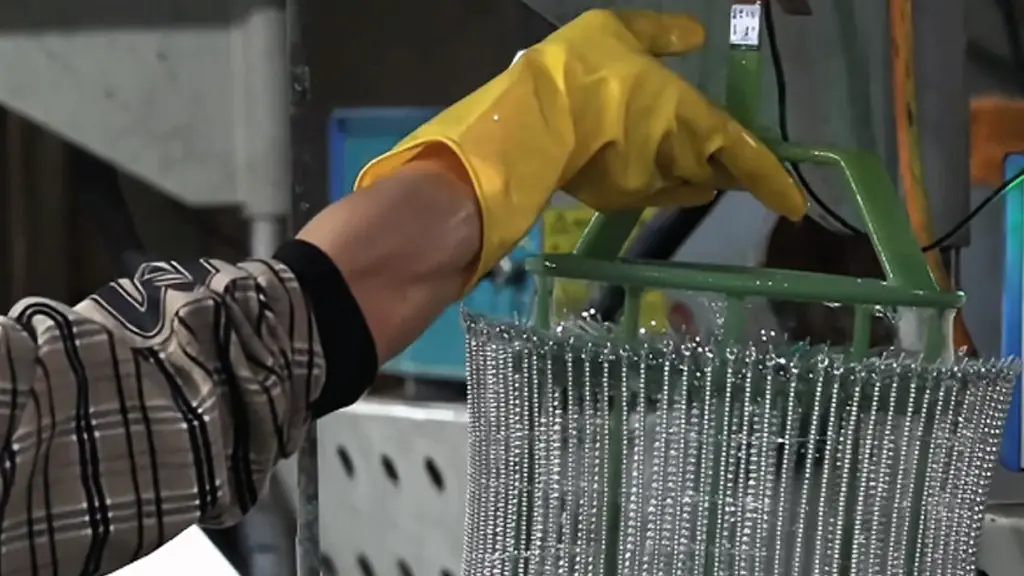
Step 1: Surface Polishing & Ultrasonic Cleaning
Before plating, pieces undergo rigorous multi-stage mechanical polishing to eliminate surface microscopic scratches, followed by ultrasonic bath cleaning to remove oils. Plating will not adhere evenly to contaminated surfaces.
Step 2: Anti-Migration Barrier Layer (Palladium / Copper)
To prevent copper atoms in brass or silver alloys from migrating upward and discoloring the gold layer, a nickel-free barrier layer (such as palladium or specialized copper plating) is applied first.
Step 3: Precious Metal Electroplating (Gold, Rhodium, or Platinum)
The piece is submerged in an electroplating bath where electrical currents deposit real precious metal onto the surface.
Plating thickness is measured in microns ($\mu m$):
- Flash Plating ($0.03 – 0.05 \mu m$): Suitable for fast-fashion or budget pieces with short lifespans.
- Micron Gold Plating ($1.0 – 2.5 \mu m$): Ideal for demi-fine silver jewelry, providing high durability for daily wear.
- Rhodium Plating: A noble metal from the platinum family creating an ultra-bright, tarnish-proof white finish over 925 sterling silver.
3. The Power of E-Coating to Prevent Jewelry Tarnishing
While thick electroplating adds luster, applying an advanced Protective E-Coating (Electrophoretic Coating) provides an invisible shield that drastically helps prevent jewelry tarnishing.
How E-Coating Works:
E-coating is an advanced electro-deposition technique where nano-scale organic resin particles are evenly bonded onto plated jewelry using an electric current, followed by thermal curing in specialized ovens.
- Invisible Armor: Creates a clear, ultra-thin ($1 – 3 \mu m$) ceramic-like shield over gold or rhodium without altering metal color or tactile feel.
- 360-Degree Coverage: Unlike manual spray coatings, E-coating penetrates every microscopic crevice, gemstone setting, and chain link.
- Hypoallergenic Shield: Acts as a barrier preventing direct contact between skin and underlying metals, making pieces 100% skin-safe and compliant with EU REACH Standards.
4. Verifying Plating Durability: Salt Spray Testing (SST)
A trustworthy OEM factory doesn’t just claim quality—it proves it in laboratory settings.
At YZERISE, our production batches undergo Artificial Salt Spray Testing (SST) following recognized testing procedures like ASTM B117 Standards. By exposing plated samples to an accelerated corrosive salt fog environment in a sealed chamber, we simulate years of human sweat and atmospheric exposure in just a few hours. Our micron gold plating paired with premium E-coating passes rigorous 24-to-96-hour salt spray testing without showing signs of corrosion or discoloration.
Elevate Your Brand’s Quality Standards with YZERISE
Providing tarnish-resistant jewelry is the best way to build customer loyalty, reduce return rates, and increase profit margins.
As a full-service custom jewelry manufacturer, YZERISE helps independent designers and private label brands combine accurate custom jewelry 3D CAD modeling, transparent custom jewelry manufacturing cost structures, and advanced anti-tarnish technologies.
- ✨ Real 18K/14K Gold, Rhodium & Rose Gold Plating
- 🛡️ Advanced Anti-Tarnish E-Coating Protection
- 🔬 100% Nickel-Free, Lead-Free & Hypoallergenic
Ready to Upgrade Your Collection’s Quality?
Contact the YZERISE team today for sample testing and factory quotations!
- Official Website: yzerise.com
- Corporate Email: hazlitttheodore@outlook.com
- WhatsApp / Direct Line: +86 133 1882 2259